
Southwest Riverside County & the Temecula Valley
HVAC Air Balancing in the Temecula Valley
Hot upstairs, cold downstairs — one thermostat can't fix that alone.
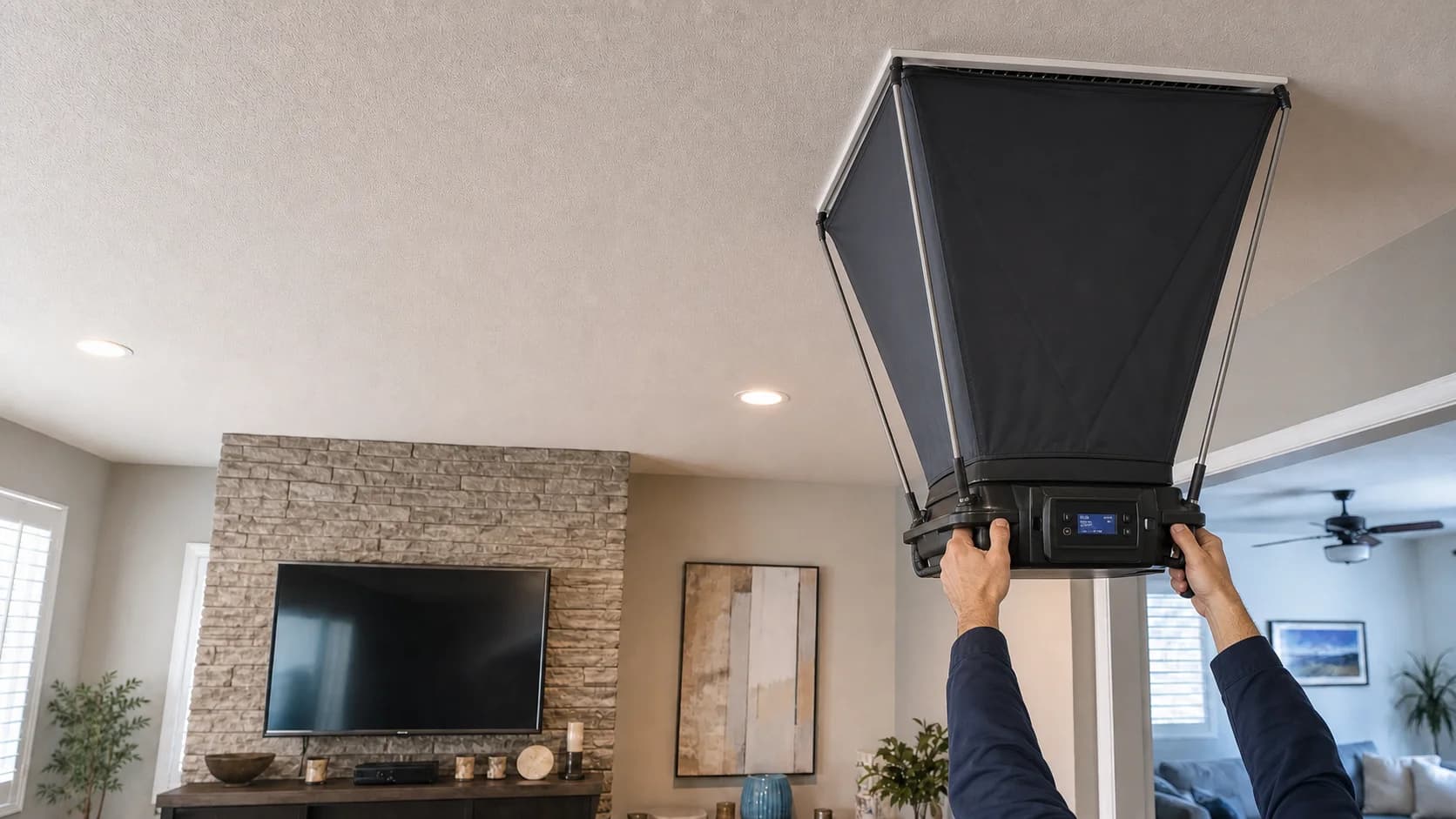
When one room bakes while another freezes, the air is usually there but distributed wrong. Two-story valley homes are the classic case: heat rises, the upstairs cooks, and cranking the thermostat over-cools the first floor. We measure room by room and set dampers so spaces land closer to even.
Room by room
Hot upstairs, cold downstairs — fix distribution, not tonnage.
Heat rises and long runs starve: the far floor gets the leftovers unless dampers meter the air on purpose.
Before
- Upstairs cooks, downstairs freezes
- One thermostat can't split the floors
- Cranking the set point over-cools the first floor
After
- Room-by-room airflow measured
- Dampers set so floors land closer
- Balance verified before we leave
What room-by-room balancing includes
- Room-by-room airflow measurement before any damper turns
- Damper balancing for a hot upstairs against a cold downstairs
- Two-story and multi-zone valley homes, where uneven temps show up most
- Pairs with duct sealing or zoning when dampers alone can't close the gap
Airflow path
Measure, adjust, re-measure
- 1
Measure each room
We take airflow readings at the vents in rooms that run hot and cold, so the fix aims at numbers.
- 2
Adjust the dampers
We open, close, and set dampers to shift air toward starved rooms and off ones already comfortable.
- 3
Re-measure and confirm
We verify rooms landed closer to even before we leave. Balancing is done when the numbers say so.
Why is my upstairs always hotter than my downstairs?
Heat rises, and unbalanced ducts leave the second floor starved while the first floor over-cools. Damper balancing shifts air upstairs. If leaky or undersized runs are involved, we check those before quoting.
What is air balancing and how does it work?
We measure airflow at each room, then adjust duct dampers: more air to rooms that run hot or cold, less to ones already comfortable. Readings before and after confirm the change.
Will air balancing fix a room with no airflow at all?
Not on its own. Balancing redistributes air already moving. A dead vent usually means a disconnected or crushed duct, or a weak return — repair or airflow adjustment. We inspect the run before deciding.